
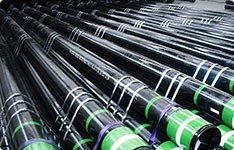
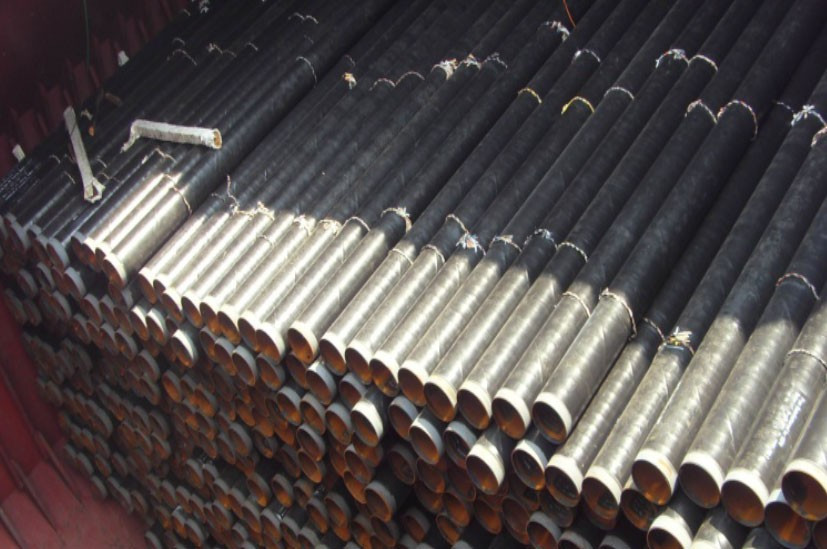
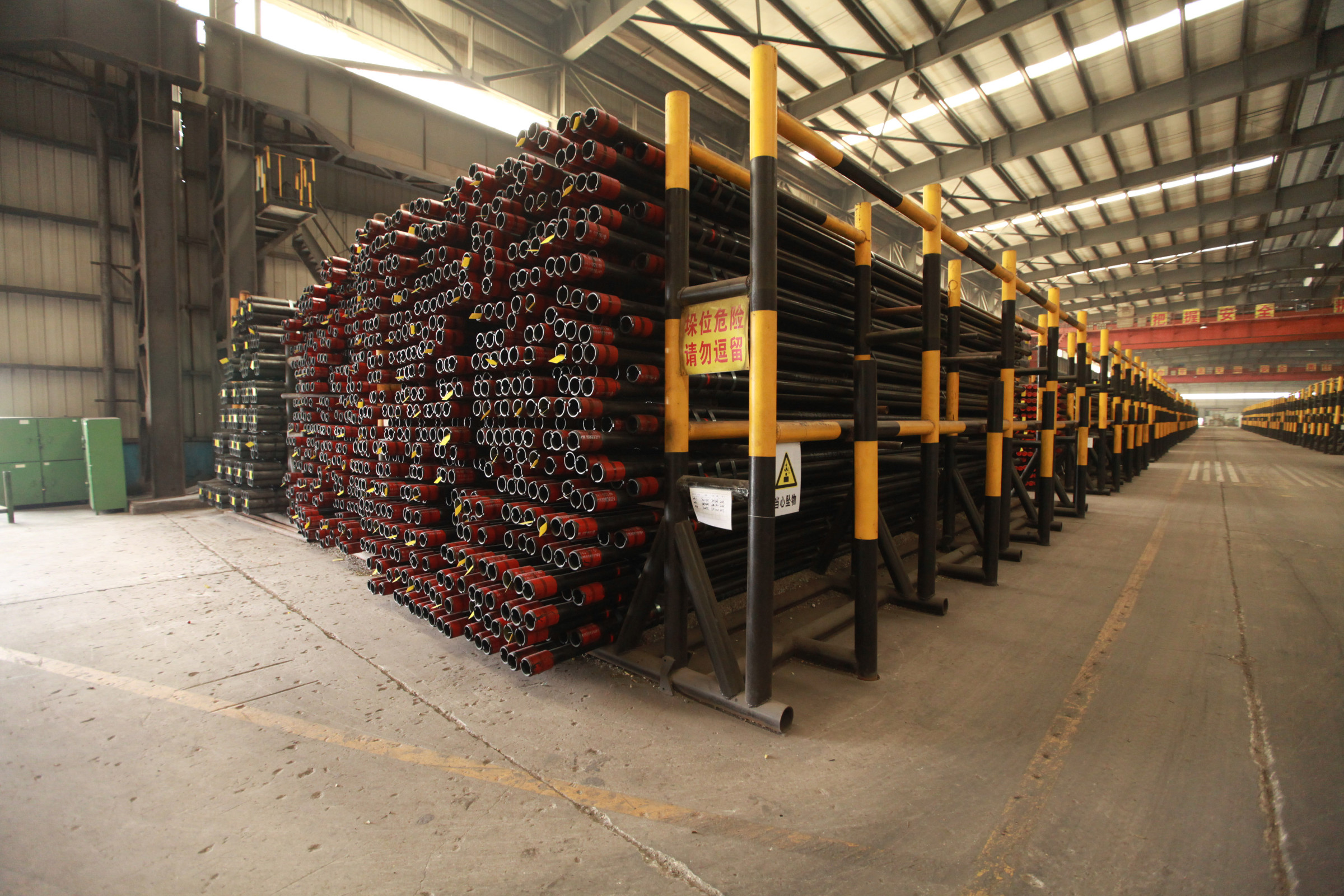
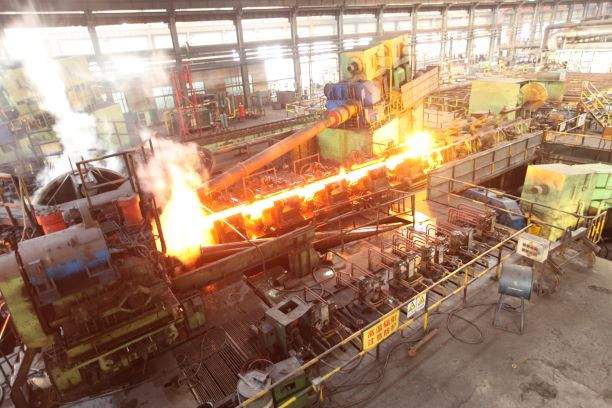

We can apply any type of Bevel to any degree required. Beveling can applied to the face of any size or diameter of pipe.
Why bevel a pipe?
Beveling
of pipe or tubing is most commonly used to prepare the ends for
welding. It can also be used for deburring the cut ends for safety and
aesthetic reasons.
Subtract
the pipe’s wall thickness from the pipe’s outside diameter. For
example, if you had a pipe with a diameter of six inches and a wall
thickness of two inches, you would subtract two from six to get four.
A pipe end is the description of how the section of pipe ends.
Understanding
pipe ends is important when designing a piping system since it would be
inappropriate for the designer to specify a threaded connection for a
large diameter pipe or to specify a welded end when connecting to a
threaded component.
There are three main types of pipe ends: beveled, threaded or plain.
BEVEL END
A bevel is a surface that is
not at a right angle (perpendicular) to another surface. The standard
angle on a pipe bevel is 37.5° but other non standard angles can be
produced. Beveling of pipe or tubing is to prepare the ends for welding.
However, it can also be used for deburring the cut ends for safety or
aesthetic reasons. Bevel End is abbreviated on drawings as BE.
The beveling process is
generally automated. This is because a pipe beveling machine can cut the
bevel much faster than hand grinding, flame cutting or turning the pipe
on a lathe. Further, the automated process ensures that there is an
accurate and consistant pipe bevel each time. The automated process is
much safer as operating personnel are not exposed to the same hazards as
a person beveling the pipe.
This is the most commonly
used end and is used on pipe, pipe nipples, and swage nipples.


THREADED END

Typically used on pipe 3"
and smaller, threaded connections are referred to as screwed pipe. With
tapered grooves cut into the ends of a run of pipe, screwed pipe and
screwed fittings can easily be assembled without welding or other
permanent means of attachment. In the United States, the standard pipe
thread is National Pipe Thread (NPT). The reason for this is that as NPT
connections are assembled, they become increasingly more difficult for
the process to leak. The standard taper for NPT pipe is 3/4" for every
foot. Threaded End is abbreviated on drawings as TE.
Threaded fittings have
threads that are either male or female. Male threads are cut into the
outside of a pipe or fitting, while female threads are cut into the
inside of the fitting. As screwed pipe and fittings are assembled, two
pieces are pulled together. The distance that is pulled together is
called the thread engagement.
PLAIN END
Used to describe the ends of
pipe which are shipped from the mill with unfinished ends. These ends
may eventually be threaded, beveled, or grooved in the field.
A pain end pipe is a pipe
that has been cut at 90° perpendicular to the pipe run. The reason pipe
would be specified as plain end rather than beveled end is when the pipe
will be used in a Socket Weld connection or for use with a Slip-on
Flange.
